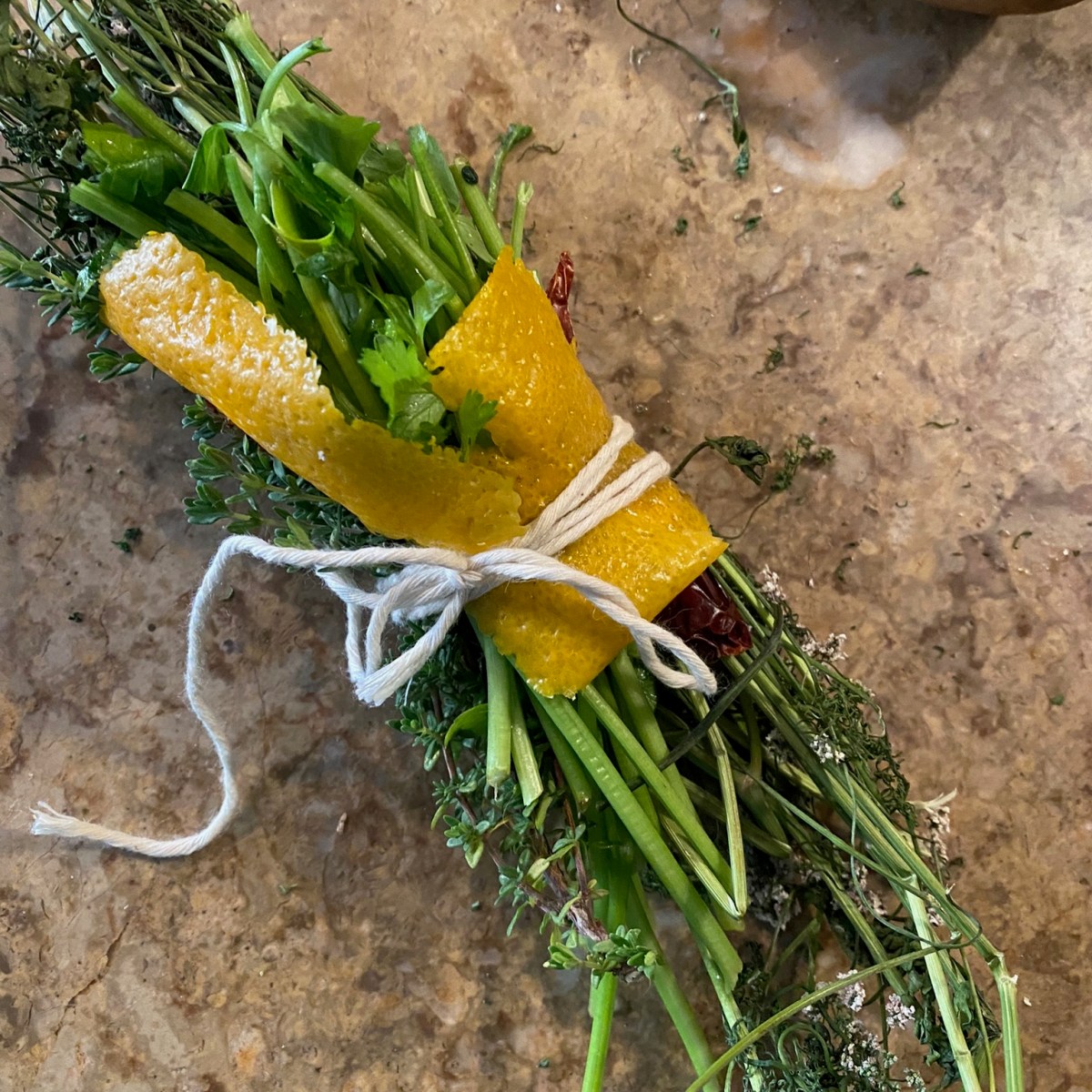
OBSERVATORY LAB: FOODSCAPE AND WILD EDIBLE PLANTS IN PICO ISLAND
Wild Edible Plants • Traditional Knowledge • Living Landscapes
The Observatory Lab invites you to experience Pico Island through its edible and cultural landscapes, where volcanic geology, wild plants, and community knowledge are deeply intertwined. Rooted in ethnobotanical research and ethnographic observation and inspired by the philosophy of Maria Manuel Valagão, the project explores how local people have long read, used, and shaped Pico’s territory through their daily interactions with spontaneous plants.
With the contribution of renowned plant specialist Fernanda Botelho, the initiative documents and highlights Pico’s wild edible and medicinal species, bringing scientific insight to traditional ecological knowledge. We will also count on the presence of cooking enthusiasts and foodies, including voices from the vegan world such as the worldtraveler Zara Quiroga, who brings her enthusiasm and experience in plant-based culinary and sustainable food practice.
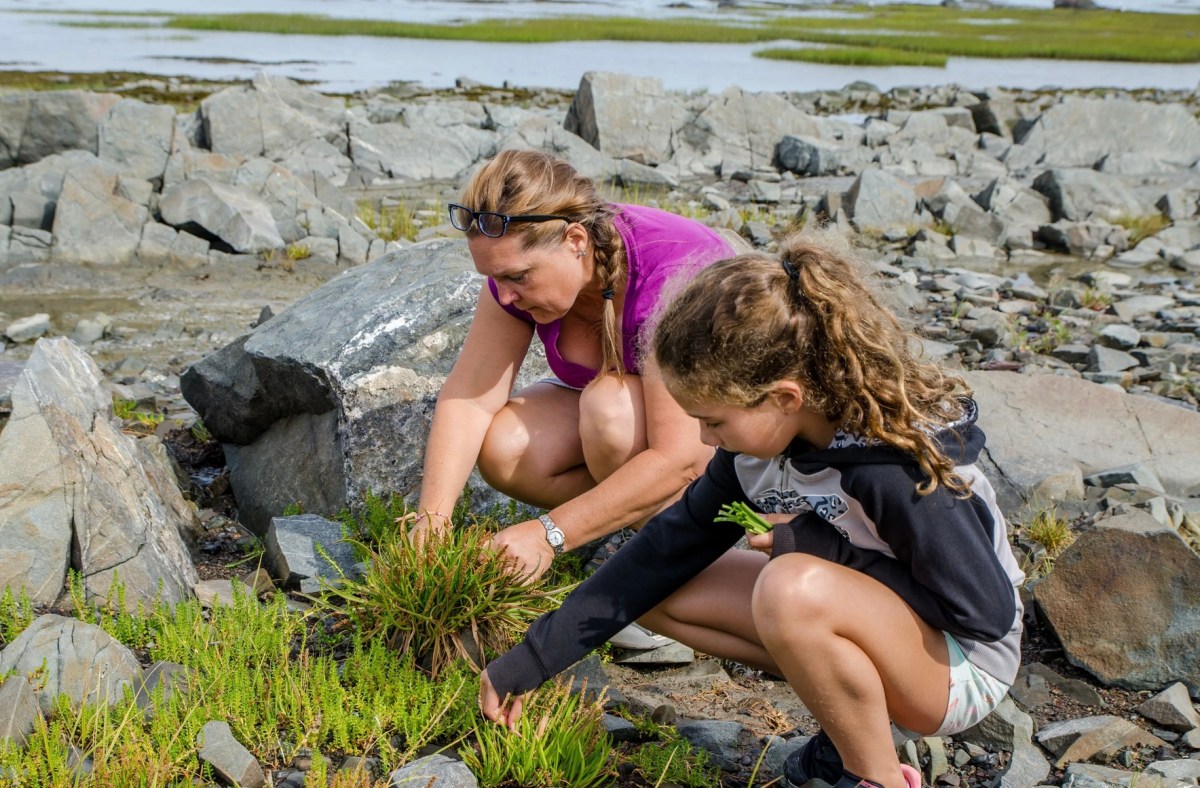
Through guided walking routes, participants listen, observe, and engage with local residents, discovering how plant lore circulates across generations. Field experiences are complemented by our Cooking Lab sessions, where gathered insights are transformed into practice — preparing, tasting, and reimagining wild plants in ways that celebrate both tradition and innovation.
Together, these activities reveal Pico Island as a dynamic foodscape where nature, heritage, and contemporary food practices meet.
Foodscape Walking Routes of Pico Island
Landscapes are not only seen — they are lived, cultivated, narrated, and eaten.
Anthropologist Arjun Appadurai reminds us that food is a “highly condensed social fact” (Appadurai, 1981), revealing systems of value, memory, and exchange. Similarly, Tim Ingold’s understanding of landscape as a “taskscape” (Ingold, 1993) invites us to see territory as an ongoing process shaped by practice rather than a static backdrop. Within Portuguese scholarship, Maria Manuel Valagão has shown how wild edible resources and interpretative itineraries reveal food heritage as inseparable from landscape.
The Observatory Lab emerges in dialogue with these perspectives.
We approach Ilha do Pico as a foodscape — a term used in food studies to describe the intersection of ecology, culture, economy, and everyday life. Pico’s volcanic soil, stone walls, subsistence gardens, abandoned plots, and coastal edges form a living network of practices, memories, and possibilities.
In this sense, the Observatory Lab does not stand apart from prior research traditions — it extends them into lived practice. It asks not only how we read the landscape, but how we cook with it, care for it, and co-create its future.
NEXT EVENTS
Food Tastings | Foraged & Reimagined
March 6th | 6PM-9PM
Join us for an intimate food tasting experience rooted in the edible landscape of Pico Island
This event curated by Oh! My Cod brings together wild and spontaneous plants identified during walks and transforms them into carefully crafted dishes. Chef Natacha Dias and Chef Zara Quiroga will prepare the tastings with the help of Sílvia (Oh! My Cod founder) and Fernanda Botelho (botanist specializing in medicinal plants). And we will all host you!
The tasting explores:
-
Wild edible and medicinal plants of Pico
-
Traditional uses and contemporary interpretations
-
Plant-based experimentation and sensory research
Limited seats ensure an intimate, reflective atmosphere — where tasting is accompanied by storytelling, context, and dialogue.
Entrance 11€ (you are invited to bring your own drink – alcoholic or not)
Location: São Caetano (Travessa dos Fontes, 6)